Portfolio: Before and After Sketches

How do you transform an old, tired garden space so that it once again becomes a special part of your outdoor environment?

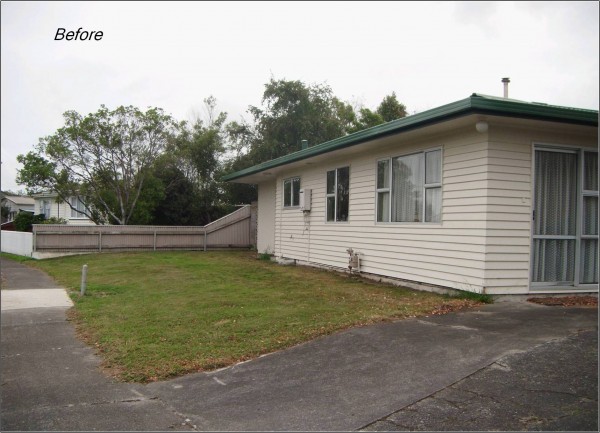
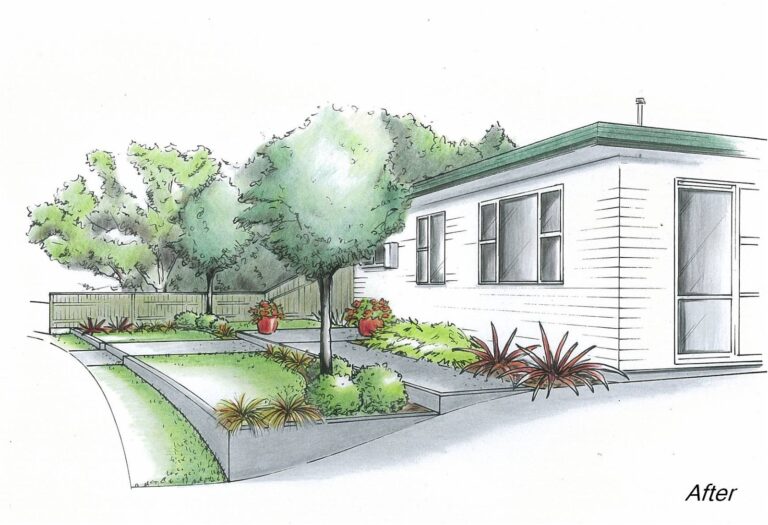
The easiest way to soften the appearance of a building is to add a strip of planting along the wall. However, unless the border is sufficiently wide to allow for ‘layering’ with at least two plants in between the wall and the edge of the strip, it is also one of the most difficult ways to make an interesting planting composition. If there is insufficient space to create a reasonably wide border, plants in a narrow planting area next to the house can be used in combination with plantings elsewhere to develop an overall planting composition for the space. Read on to discover how…..

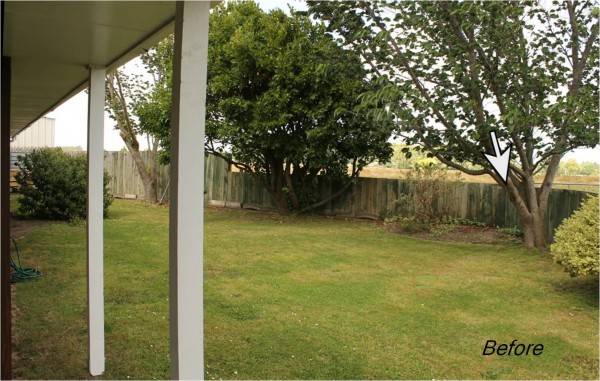
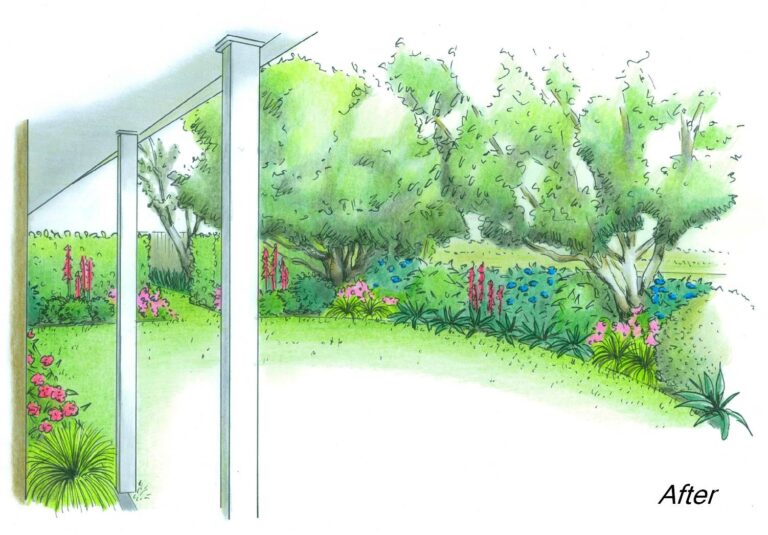
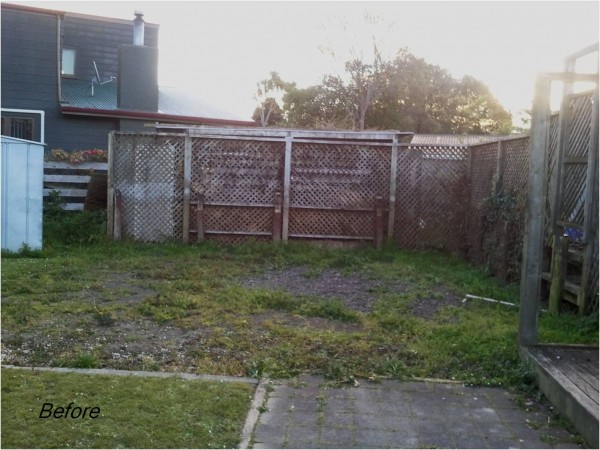
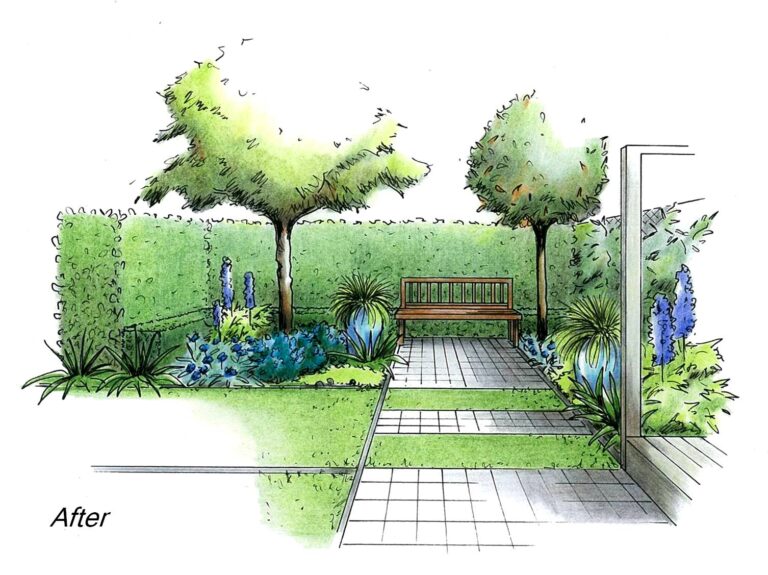
When you inherit a garden that is overgrown, doesn’t meet your requirements, and no longer makes the most of the site and surrounding environment, then often the best thing to do is to start again. However, if you can, save some or all existing trees to give your new garden an ‘established’ look.

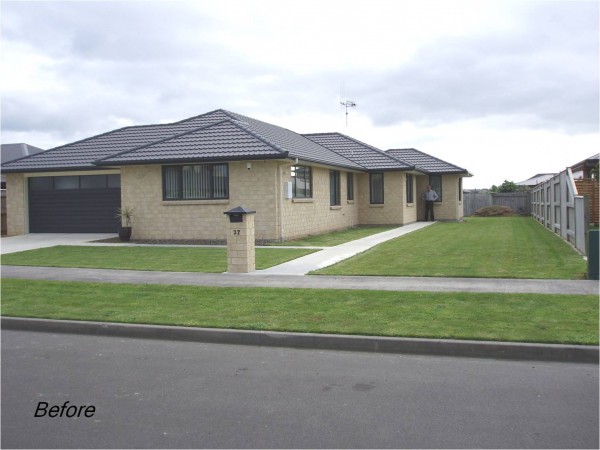
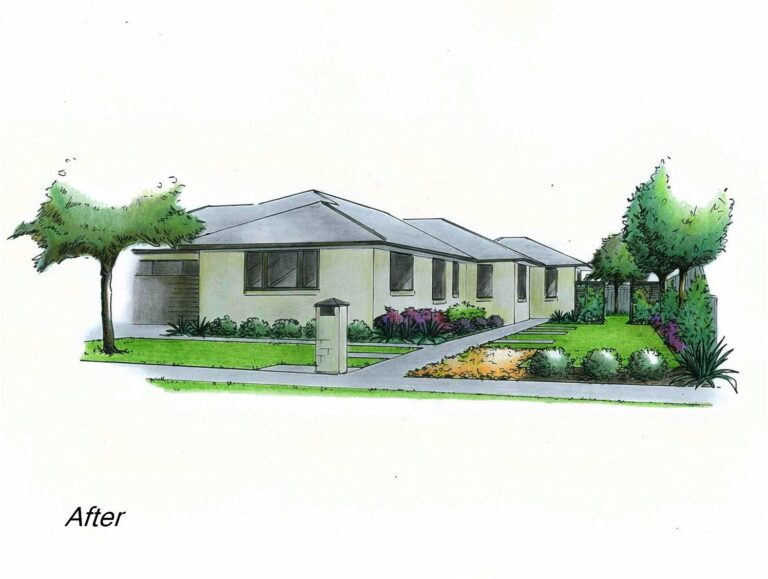
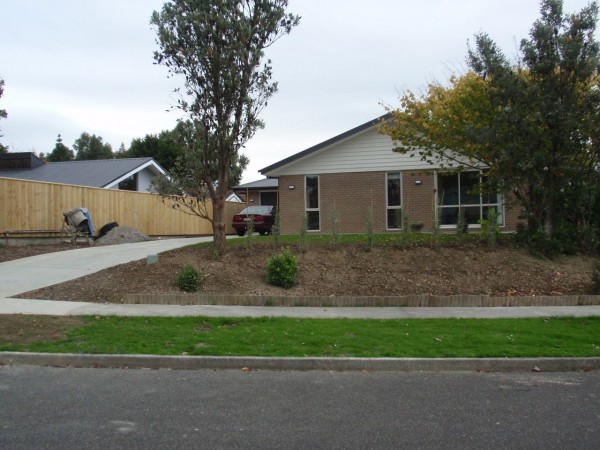
A lovely new home on a bare section…..how to create an inviting landscape that compliments the house.

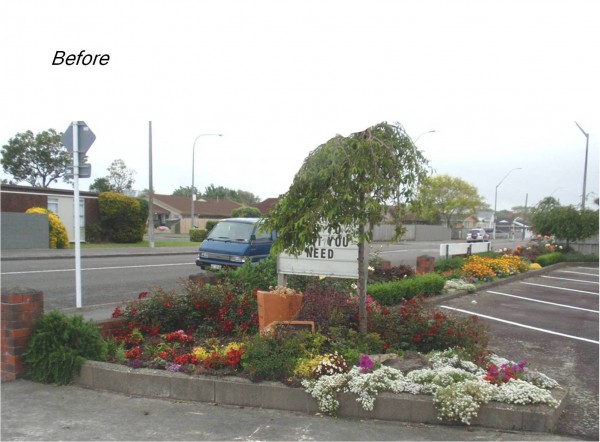
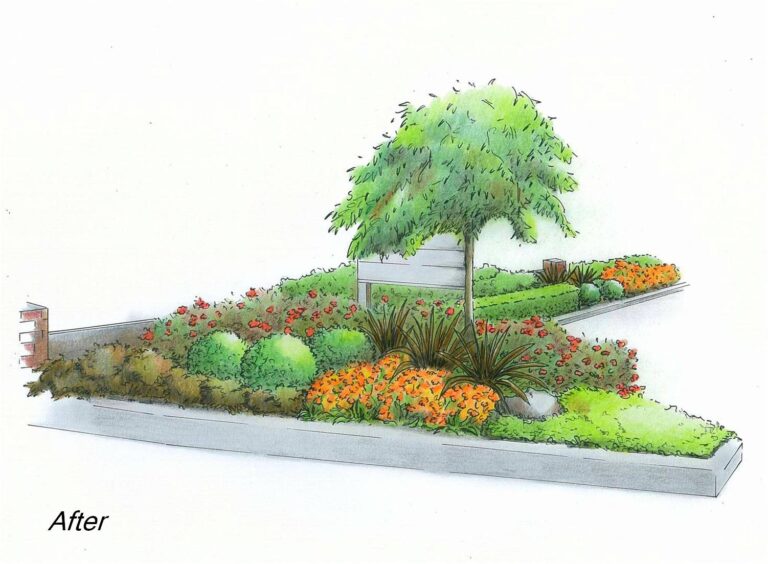
Changing an existing labour-intensive planting scheme with lots of colour to a low-maintenance composition that still provides year-round colour can be a challenge, but it can be done! Select evergreen plants with colourful foliage, use ground covers to suppress the weeds and replace seasonal bedding plants with a more permanent arrangement of tough shrubs that flower for long periods.

Do you have an underutilised swimming pool that takes up valuable space and requires ongoing maintenance? Would you like to remove the pool and transform the remaining area into a special part of your garden? Then I invite you to read on……

To create an attractive outdoor space it is not always necessary to remove all existing vegetation and other elements. It may be easier to start with a clean slate since you have more options, but often it is more cost effective to work with what you have and possibly change existing features or the way they relate to the rest of the space to make them more practical or aesthetically pleasing.

When designing a front garden there are two important issues to consider. Firstly, the space needs to be functional and easy to “read”. Your visitors should immediately be able to see where to go to reach the front door. Circulation routes should be as direct as possible with good slip-free surfaces. Secondly, since your front garden gives the first impression of your property, it should be attractive, welcoming, and nestle your house comfortably into its environment.
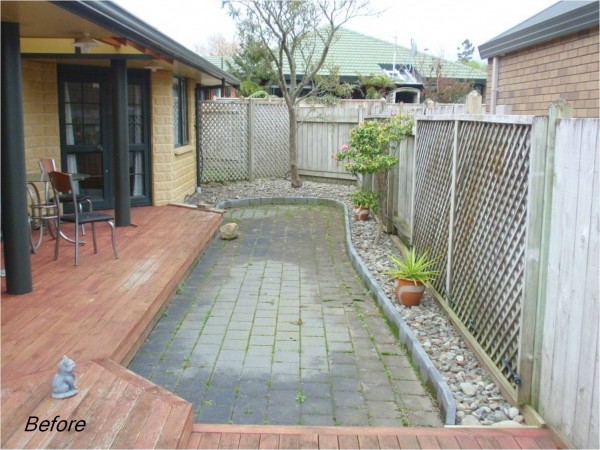
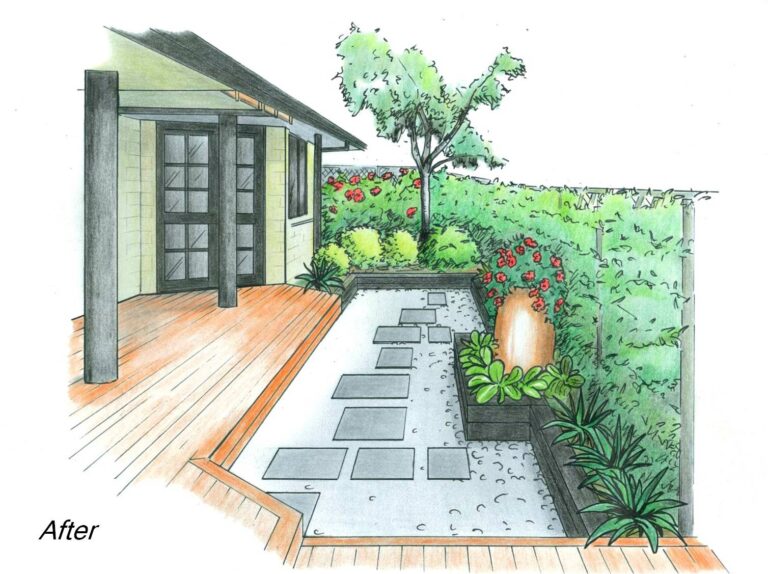
Many of us have a narrow strip of land, about 1 m wide or less, along the side of the house that we don’t quite know how to deal with. A simple solution is to allow Agapanthus or another equally undemanding plant species to fill up the available space. This could look quite classy, in particular when the plants are maintained to a high standard. But there are ways to achieve classic simplicity with an extra dimension by combining what seems to be the most logical thing to do with narrow spaces, namely planting exclusively in lines, with planting rounded shrubs in pairs or small groups.

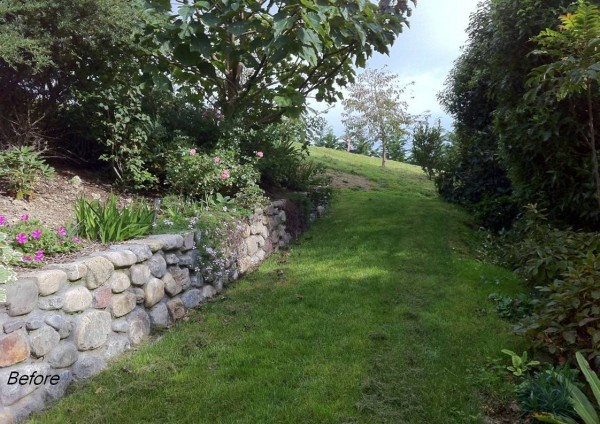
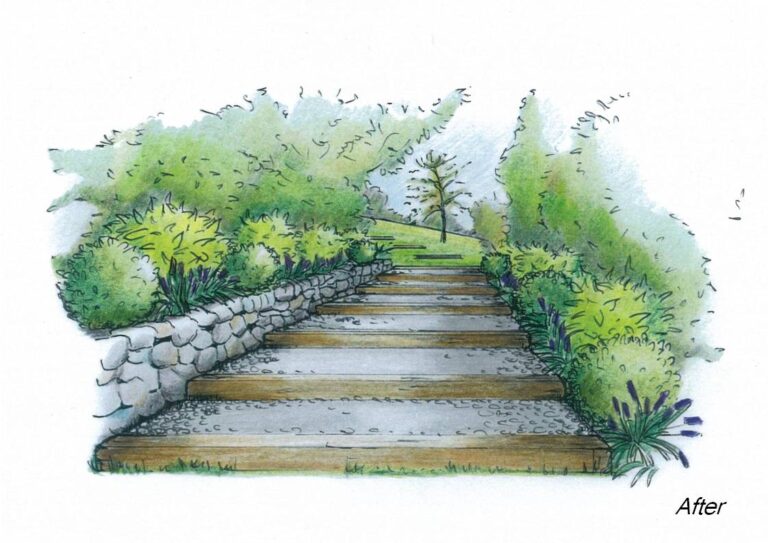
Slopes in residential gardens present challenges with erosion, accessibility and safety. Grassy hills turn into slippery slopes, especially in shady areas. Grass does help to bind the soil together, but may not be able to cope with heavy rains. Root systems of trees and shrubs perform much better in slowing down water running down the hill. An interesting pathway can be created with stepping stones or steps zigzagging through the vegetation, possibly including a small level, terraced area with a bench to sit down and enjoy the garden.

Slopes in gardens can be challenging for both gardener and plants. The rooting environment of vegetation at the top of a slope is different from that of plants at the bottom. The steeper the slope, the less time water has to infiltrate the soil and the faster water runs off so that plants at the top have to be able to cope with much drier conditions. Unless the soil is held together effectively by root systems, water is not the only thing that runs down the bank.

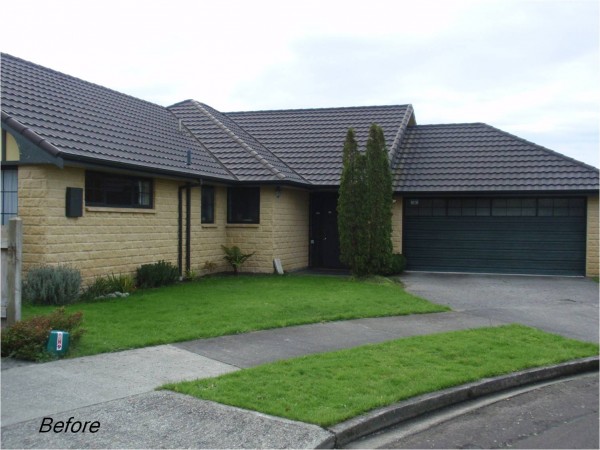
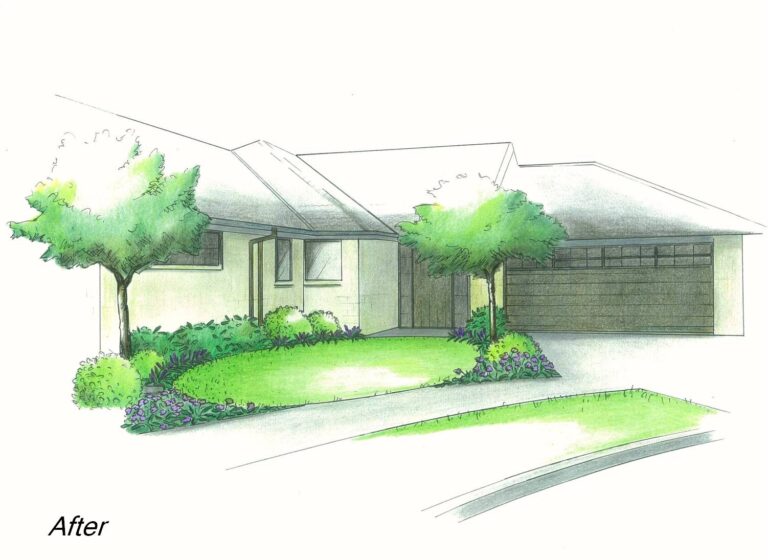
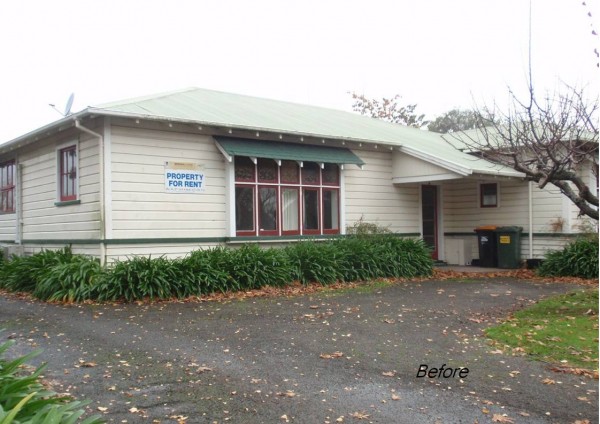
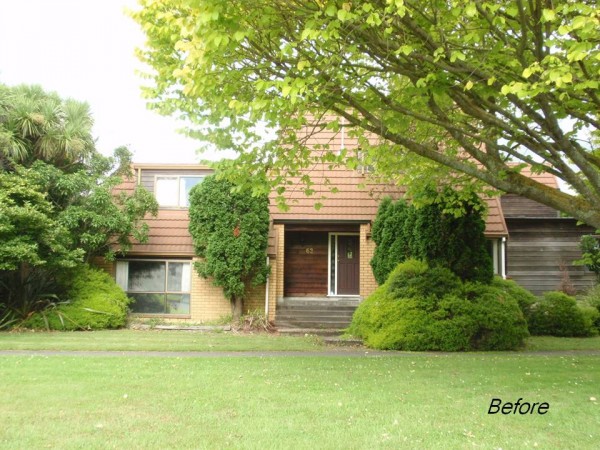
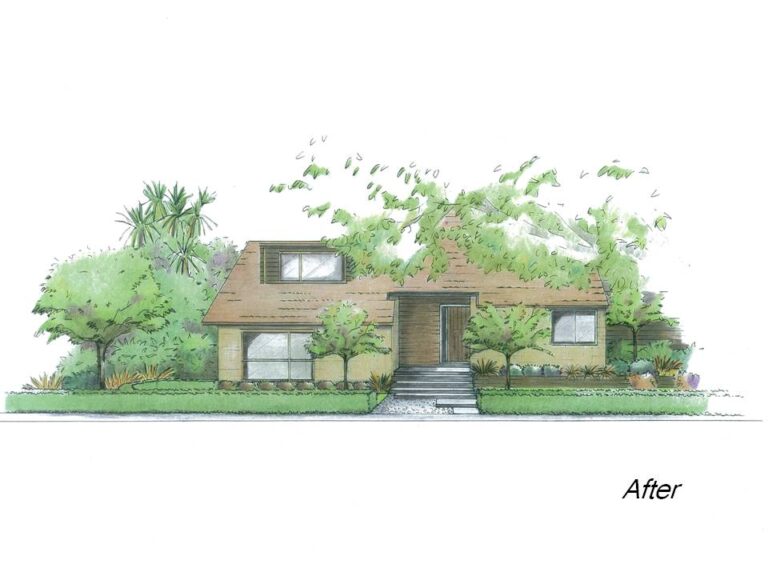
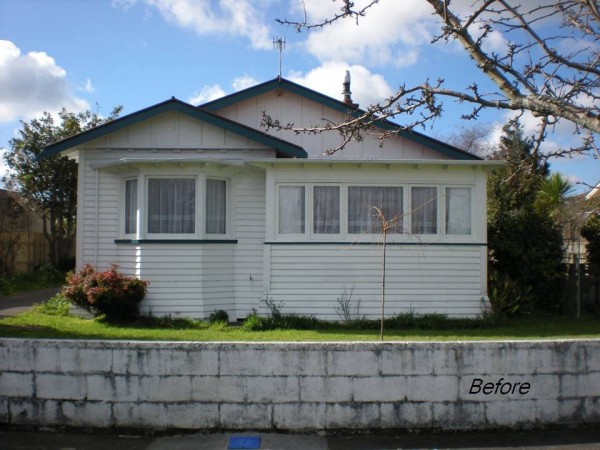
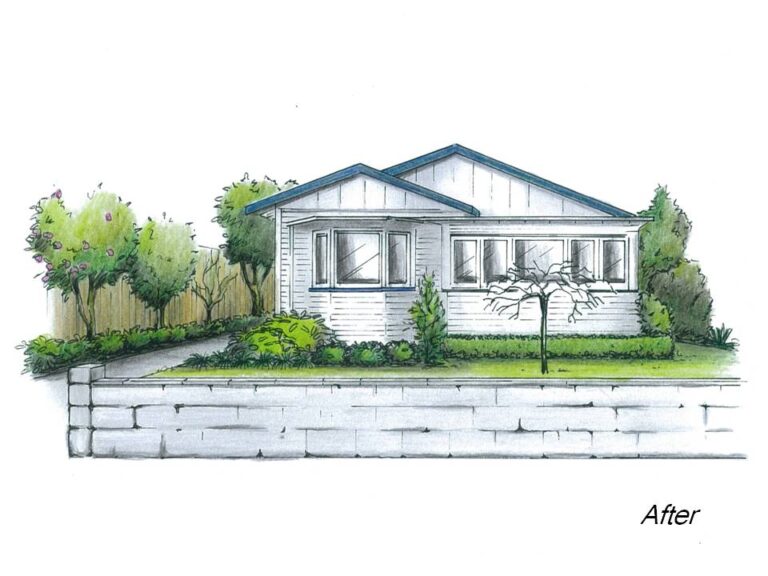
An attractive front yard makes a huge difference to the street appeal of your house. Ideally, a front garden should be well designed and properly cared for. Over time though, even the best designs require some tweaking and replanting. Without regular maintenance over an extended period of time, the garden will eventually outgrow the original design, and a complete overhaul is then the way to go.

Even with a limited amount of space between house and road, there are many ways to create an attractive first impression. Obviously the house itself is a good starting point. Does it need a fresh coat of paint? Are structural changes required to make the house look more appealing?

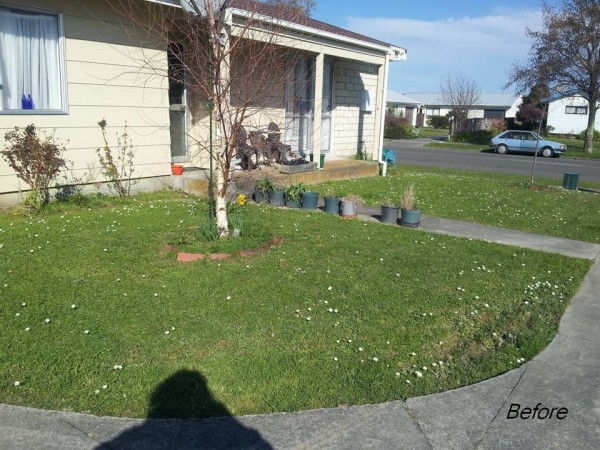
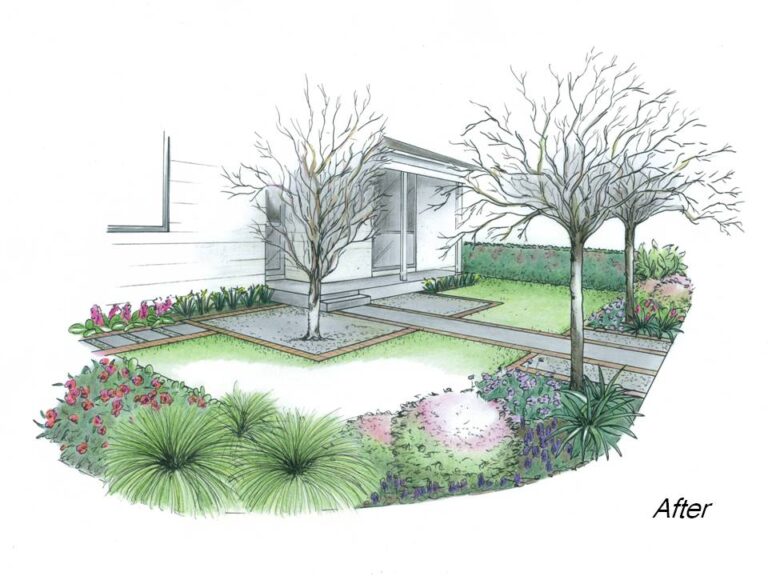
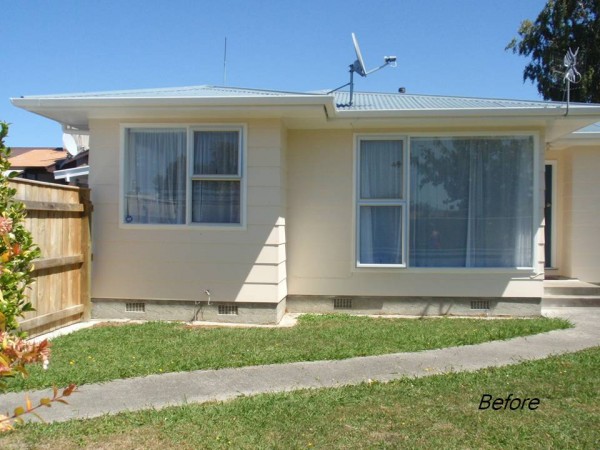
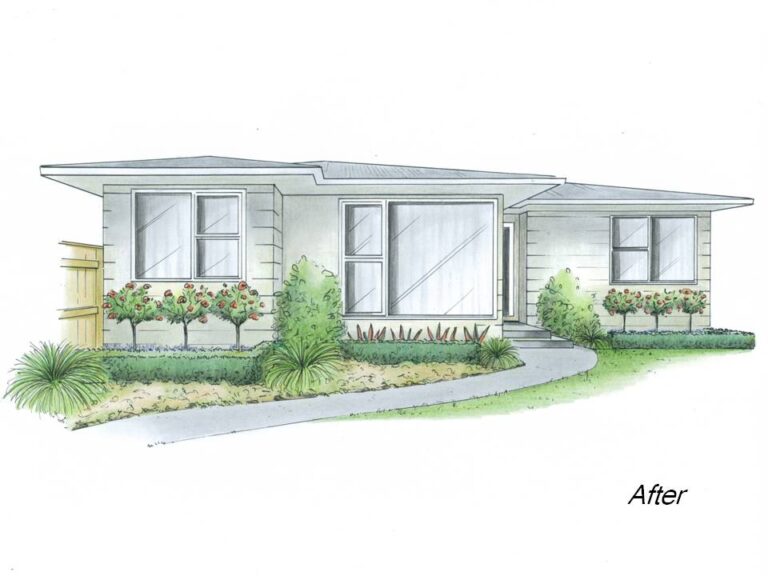
Many houses are positioned on the site like this one; with the front door facing the road, a driveway along the side of the house, and a path leading diagonally from the drive to the front door. Whilst the latter may be the most practical and direct route to the front door, it does not relate to the shape of the house and disconnects the house from the front yard. Removing the original path and replacing it with one that consists of a series of connected L-shapes, is one solution. Another, less invasive option is to use planting design as a tool to link the house with its surroundings and with the existing path.

All gardens require new plantings over time to replace existing vegetation and maintain a fresh, lush appearance. Removing old or dead plants and planting new ones in their place is sufficient in most cases, but sometimes it is better to clear a larger area and create a new patch. In both scenarios the challenge is to make sure that the new plantings fit in with the established part of the garden. Repeating some of the components present in the existing vegetation is an easy way to establish a link between new and old.